The project In the Footsteps of Aristocratic Families bears the subtitle Travels of the Nobility in 2026.
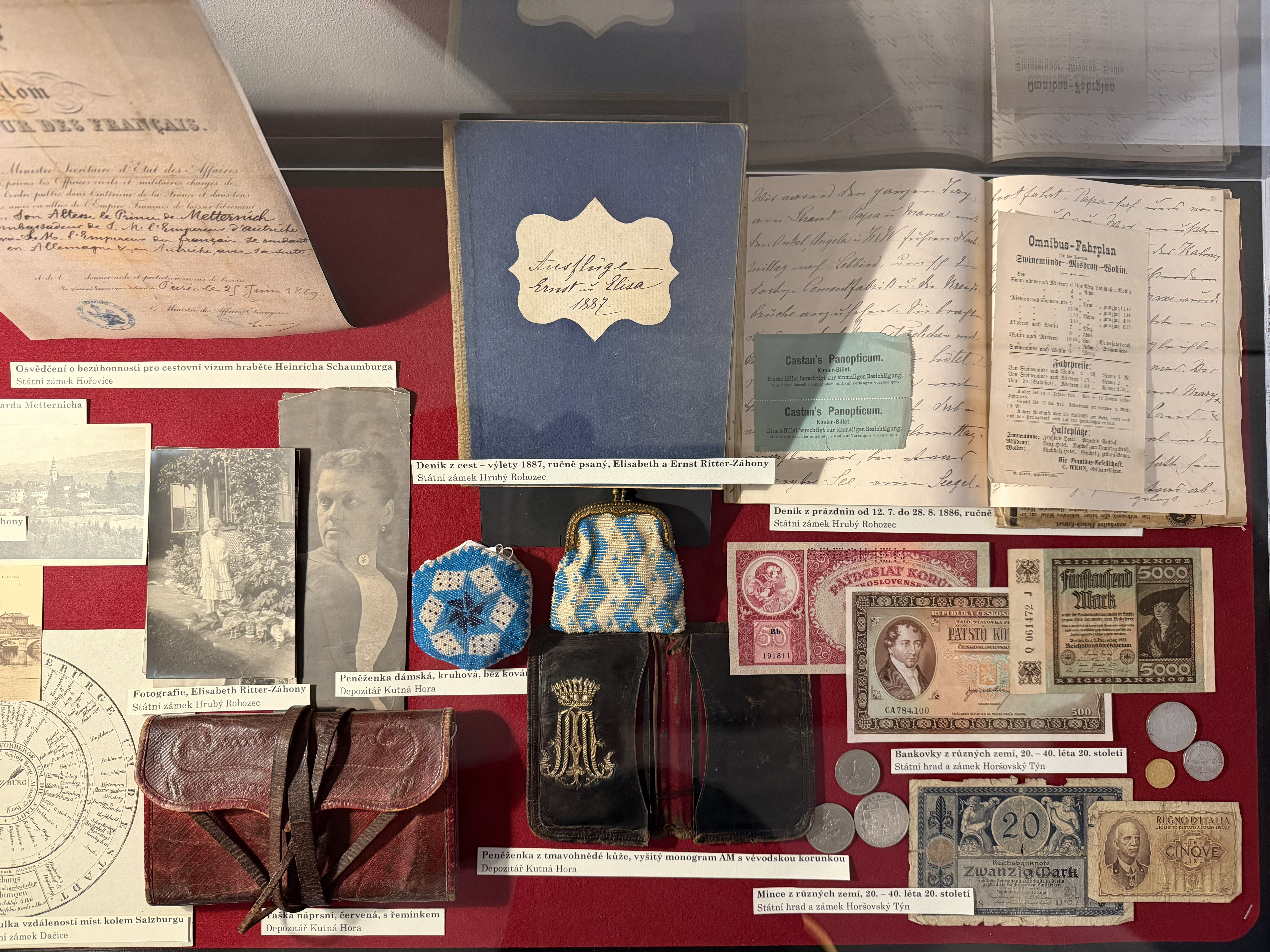
It focuses on why, where, and how members of both renowned and lesser-known noble families set out on their journeys, and how their interest in nearby and distant parts of the world was reflected in their lifestyle as well as in the appearance of castle and chateaux interiors.
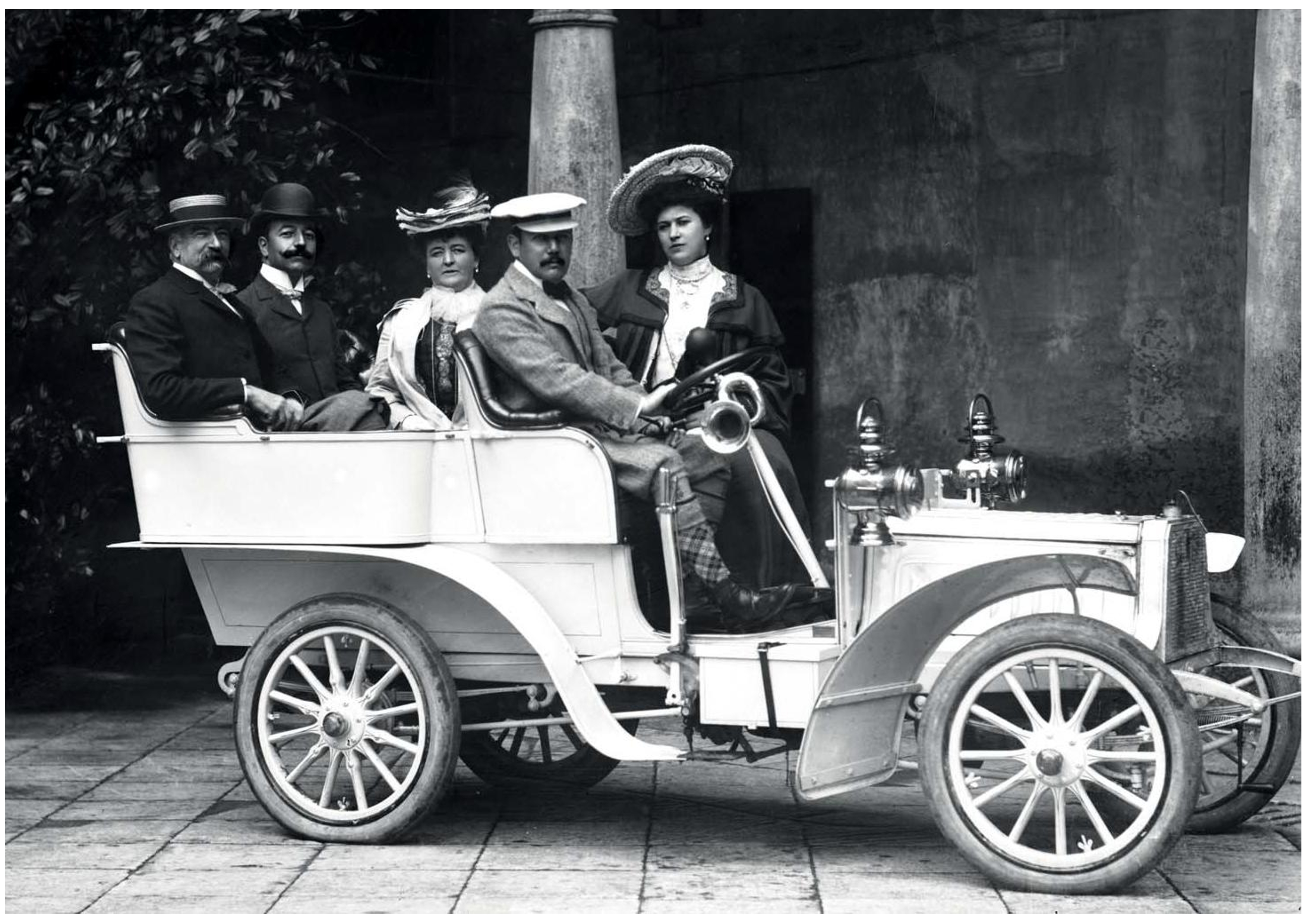
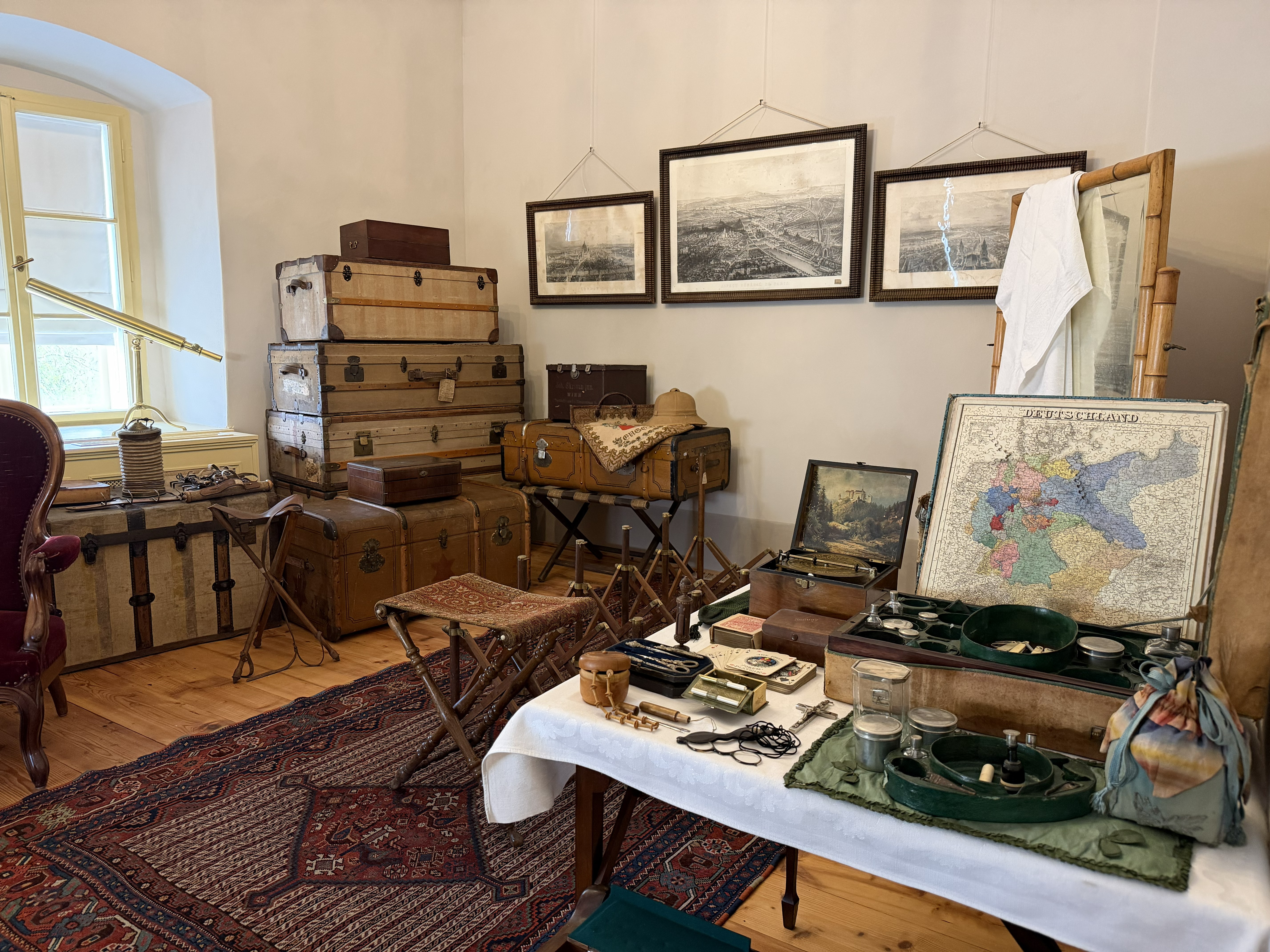
The sixteenth edition of the project transports visitors to the “long nineteenth century,” a period in which travel underwent a fundamental transformation. The development of railway and maritime transport, followed later by automobile and air travel, enabled faster movement across Europe and opened the way to the exploration of exotic lands in Asia, Africa, and the Americas. Aristocratic men and women gradually became modern tourists.
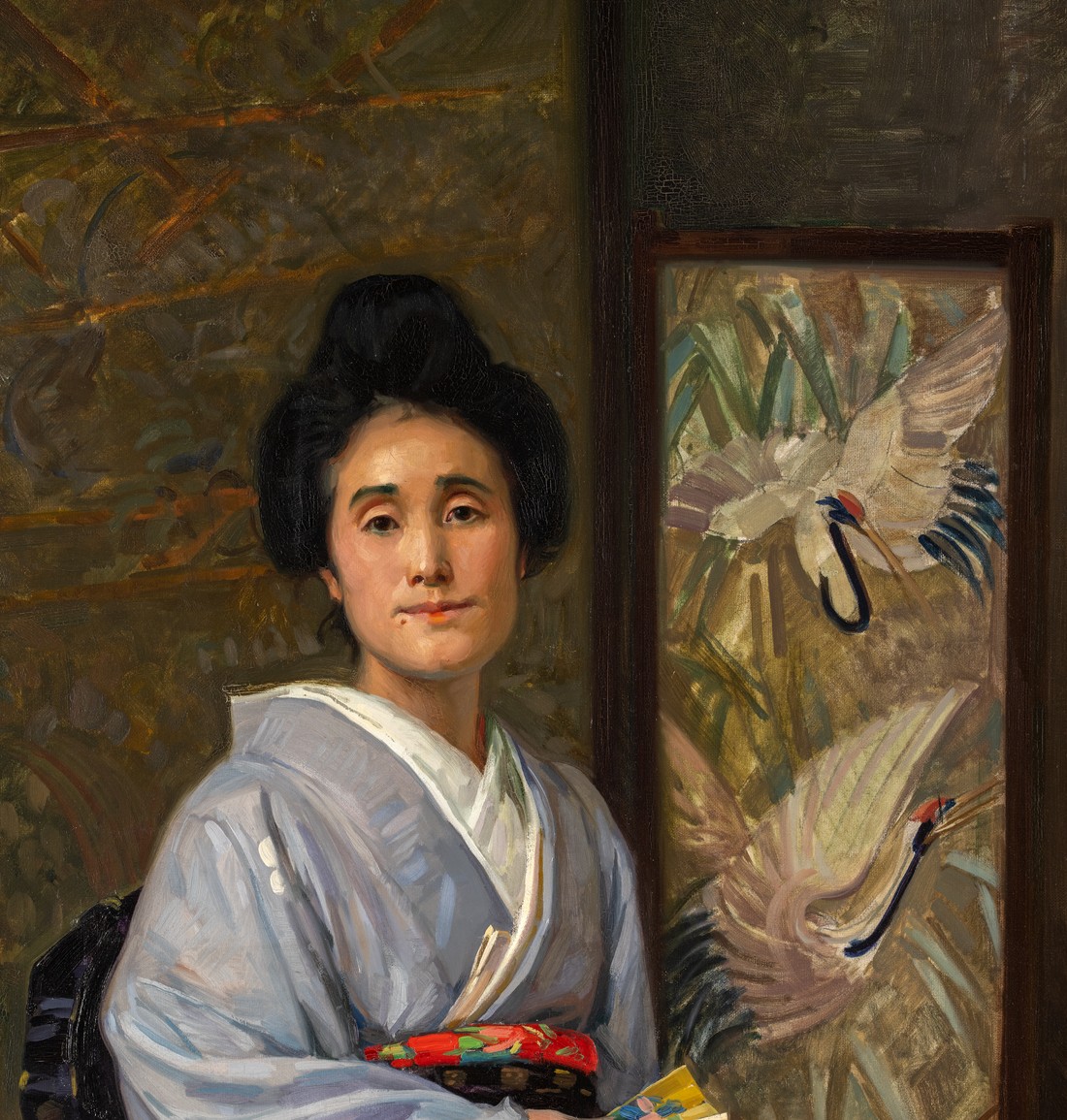
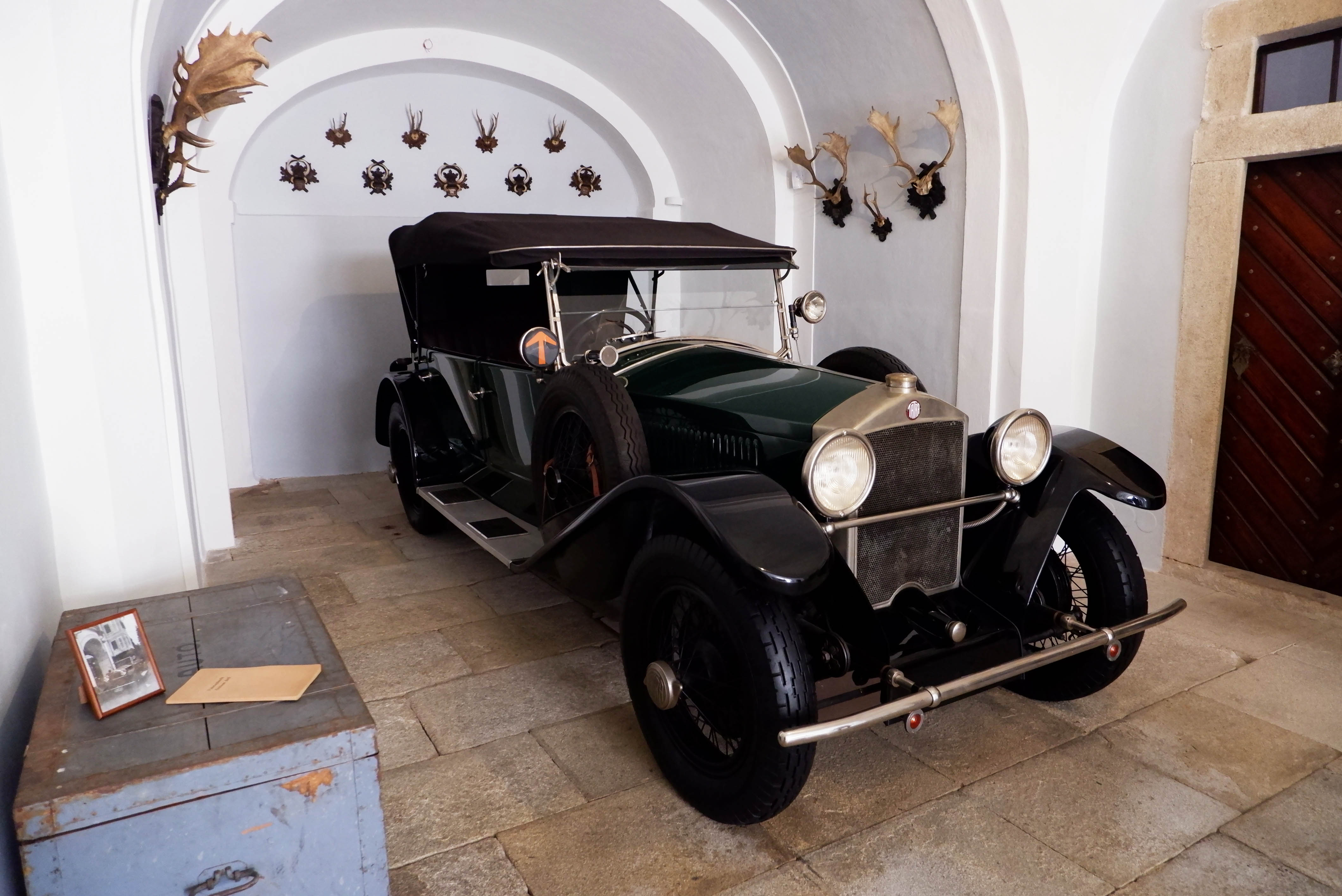
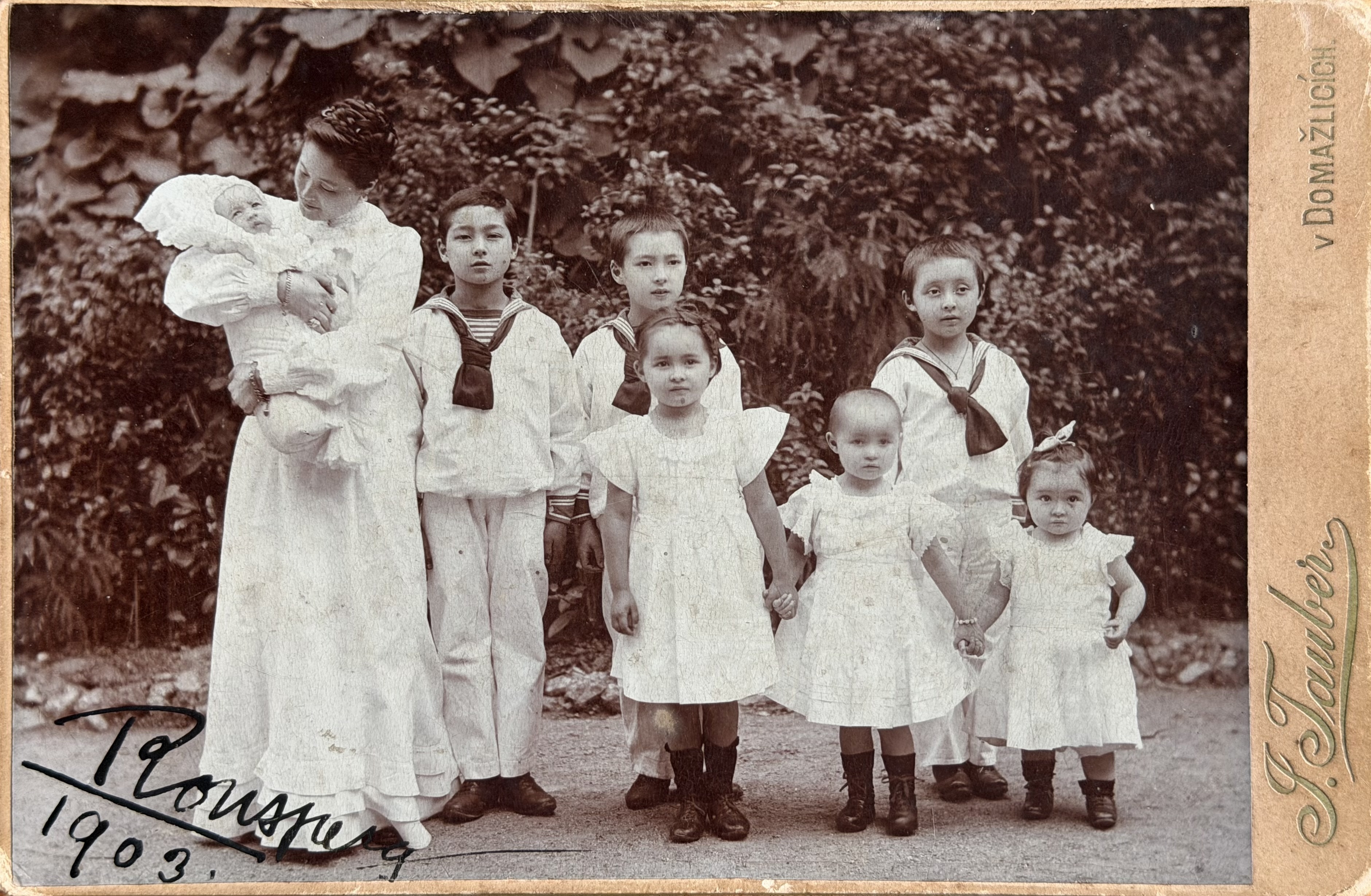
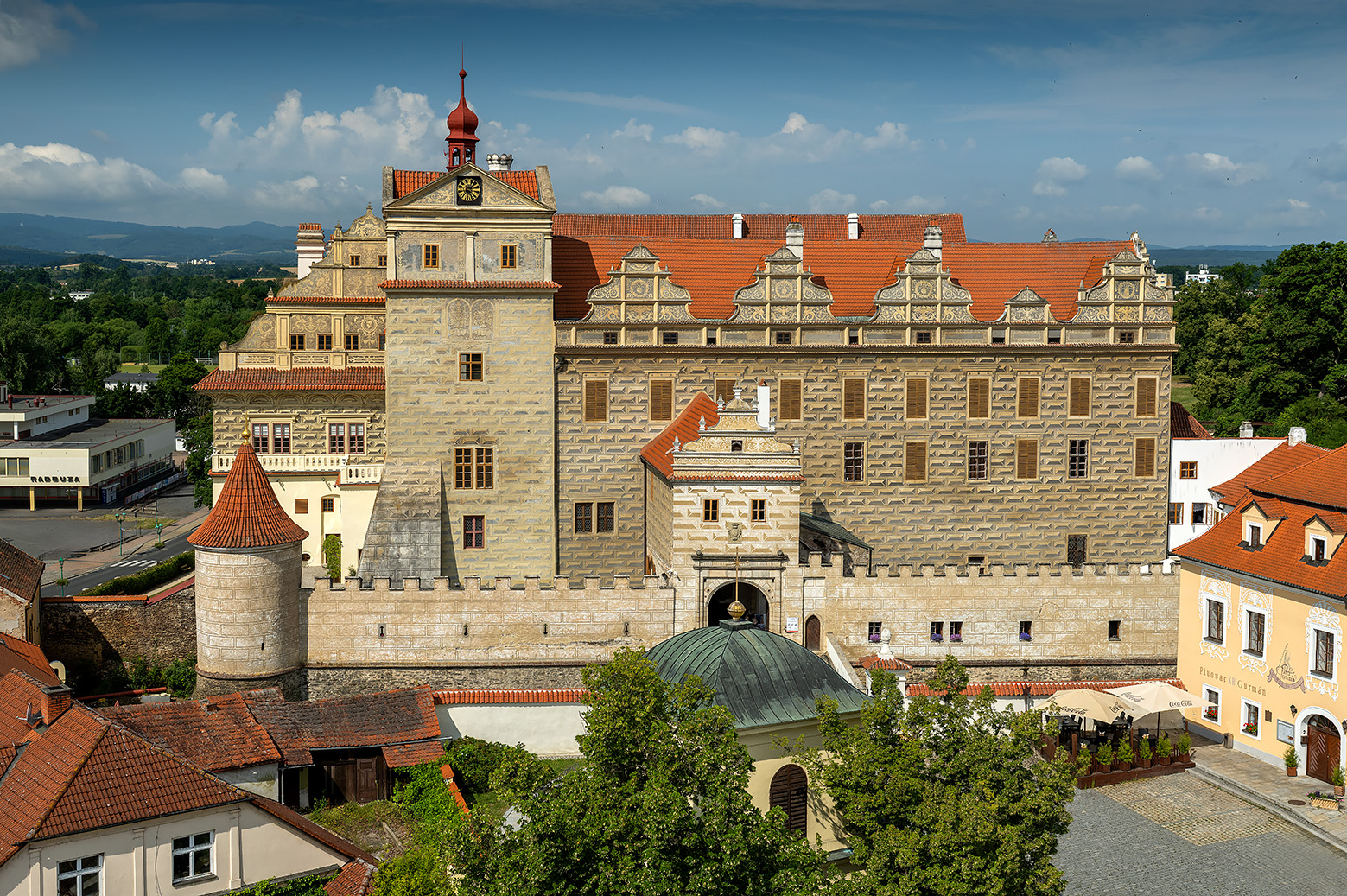
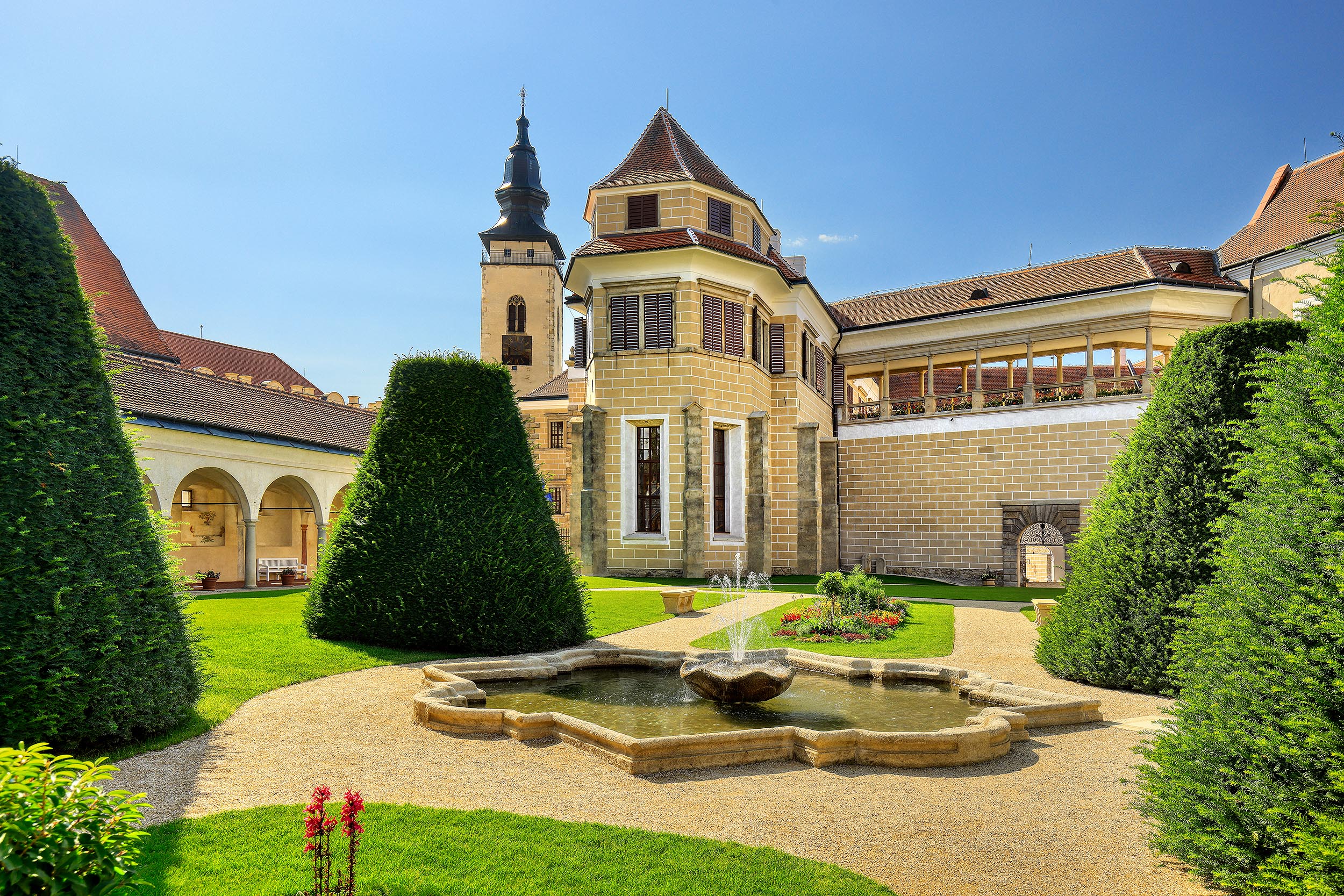
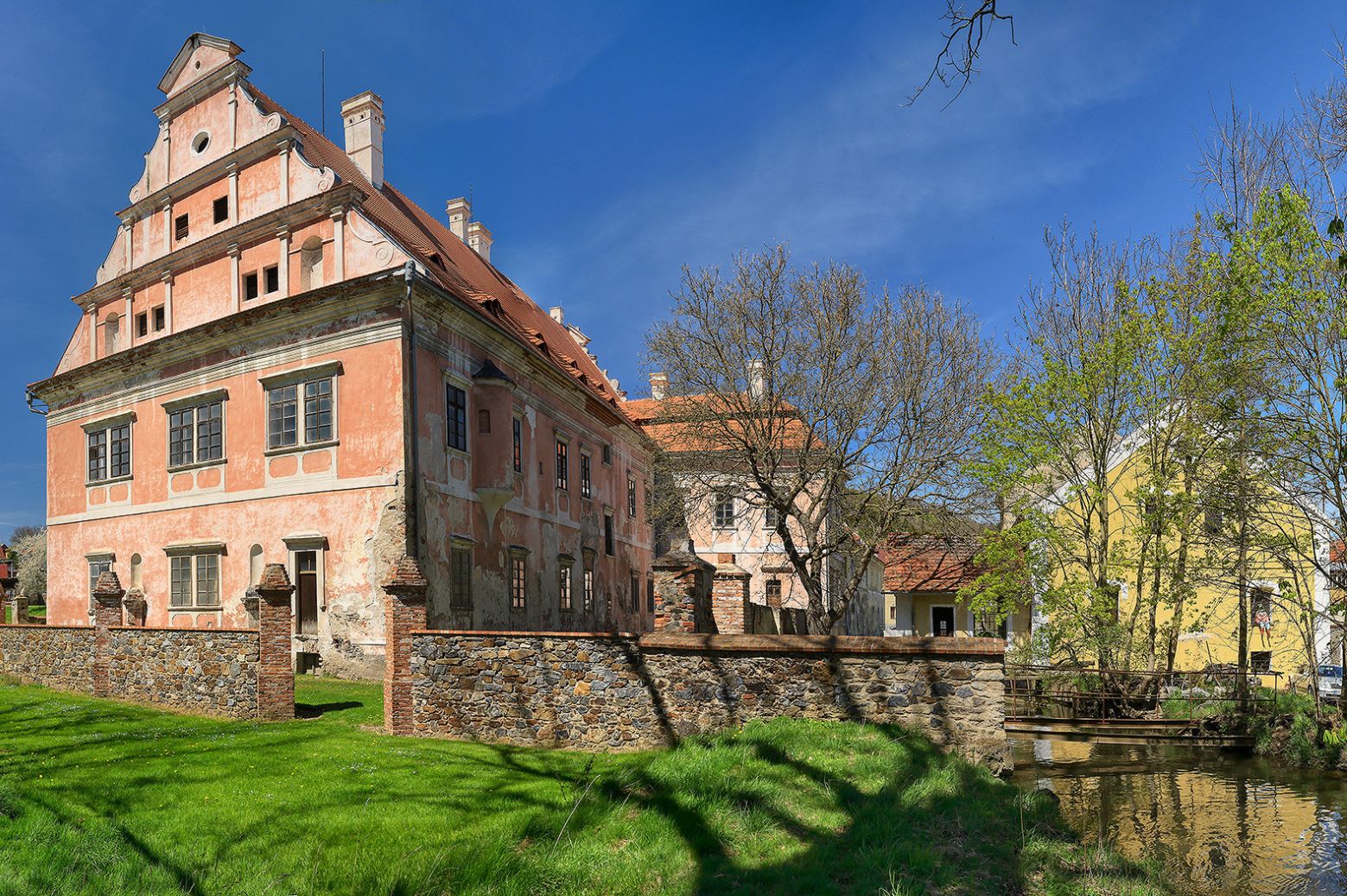
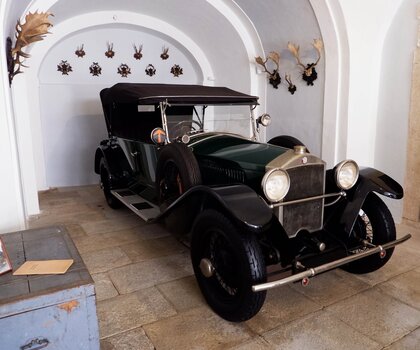
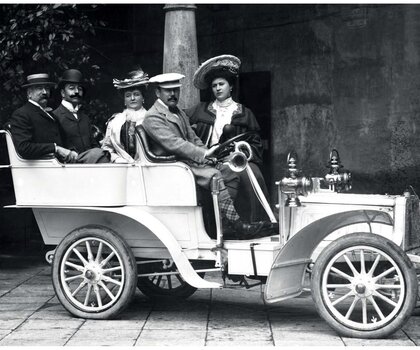
The travel theme will come to life at more than forty heritage sites administered by the National Heritage Institute through new and adapted guided tours, exhibitions, and thematic events. Visitors can look forward to the reopening of the Mitsuko tour route at Horšovský Týn Castle, dedicated to Countess Mitsuko Coudenhove-Kalergi, the first Japanese woman to live in Europe. Another new feature will be a revised tour route at Telč Chateau, presenting the living quarters of the last owners, the Podstatzky-Lichtenstein family, and their motorised journeys across Europe. At Červené Poříčí Chateau, a new exhibition entitled Travel Fever: When the Nobility Set Out into the World will be opened to the public.
Other monuments administered by the National Heritage Institute will also commemorate journeys across Europe as well as to more distant regions of Asia, Africa, and North America. Among the recommended destinations of this year’s tourist season are, for example, the chateaux of Březnice, Lysice, Opočno, Konopiště, Slatiňany, and Libochovice, all of which offer visitors stories of the travels undertaken by their former owners.
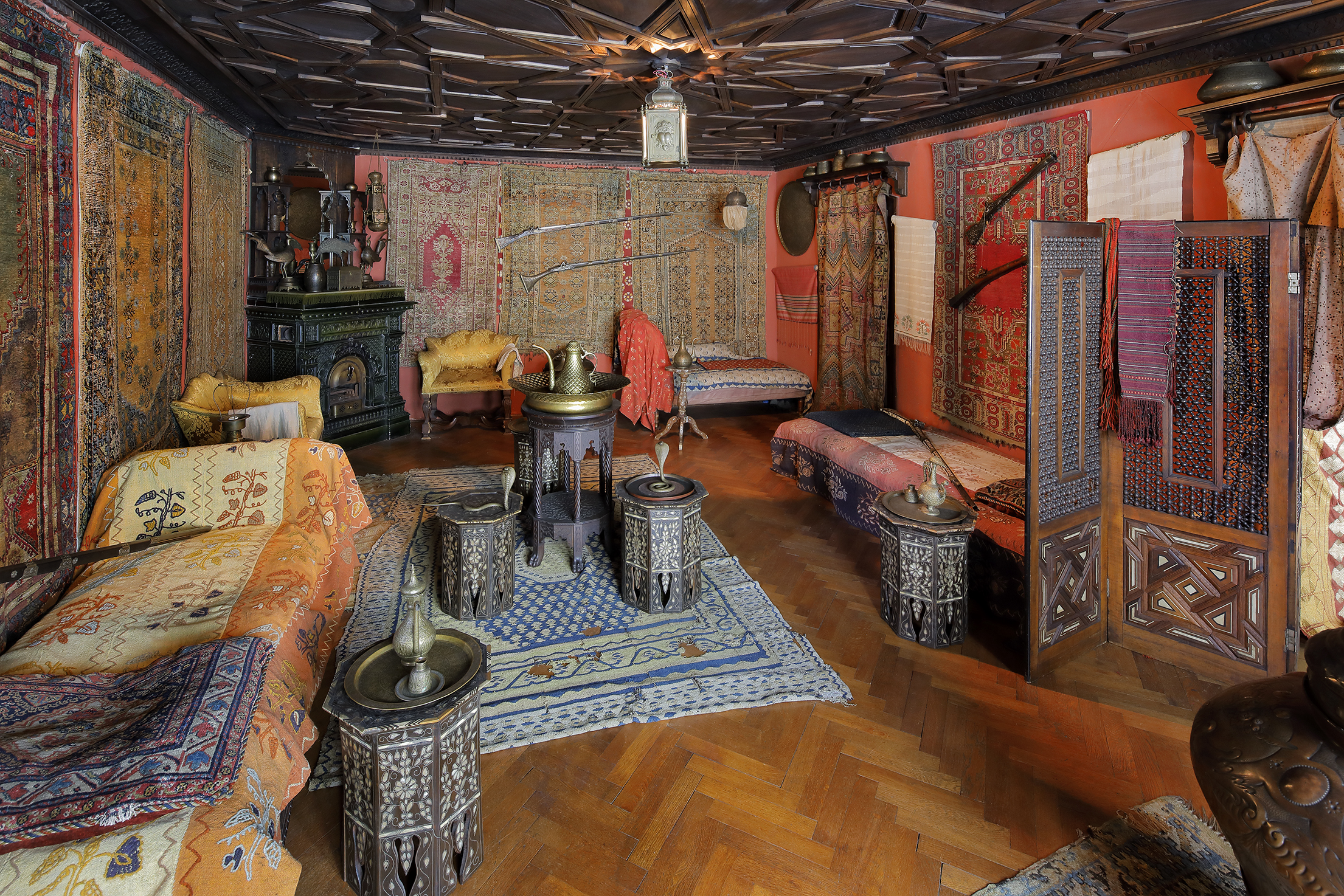
At Konopiště travel is closely linked to the life of Archduke Franz Ferdinand d’Este. His journey around the world is recalled through an extensive collection of photographs, while his diplomatic connections are symbolised by the gift of furnishings for a Moorish salon.
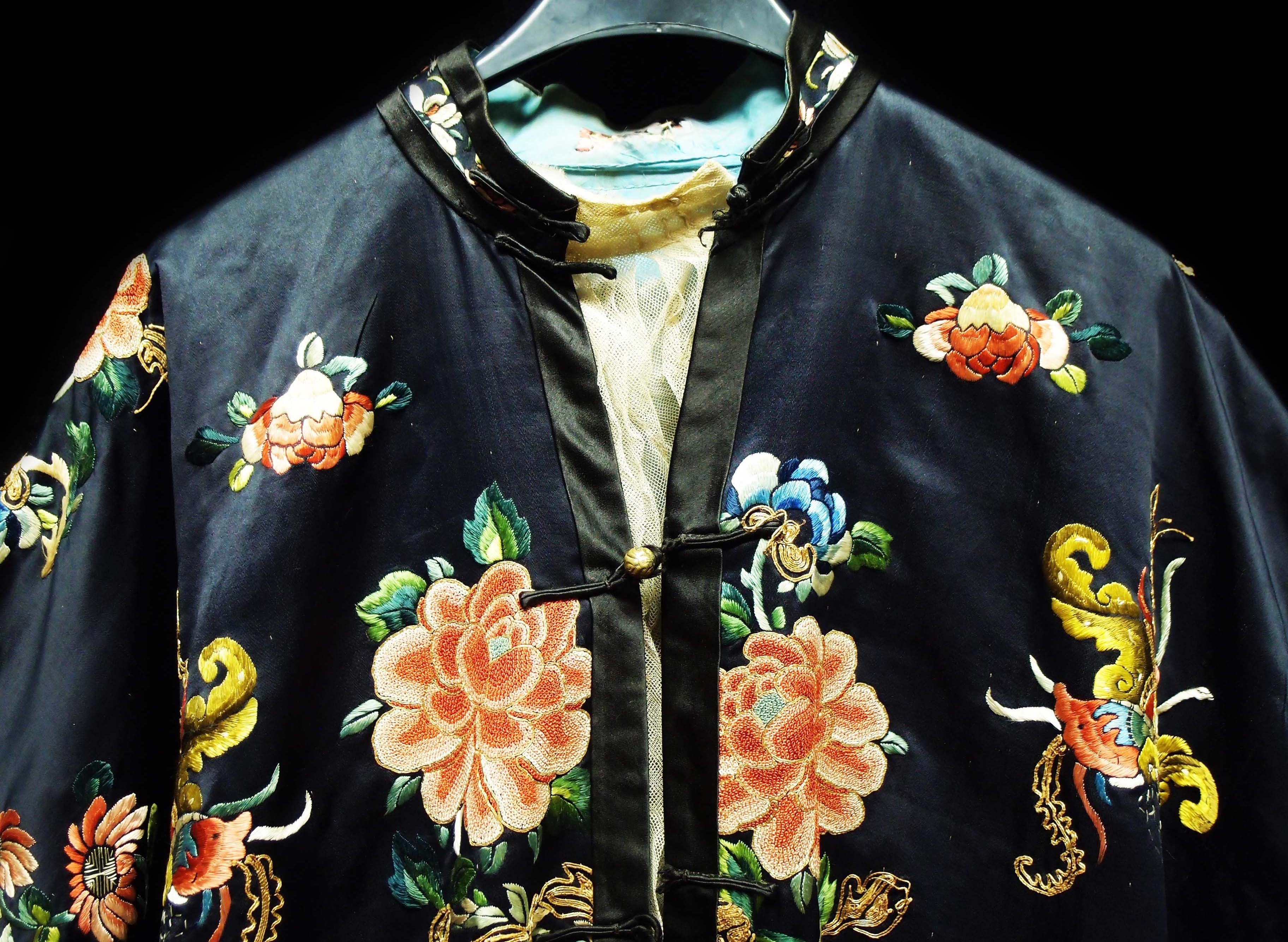
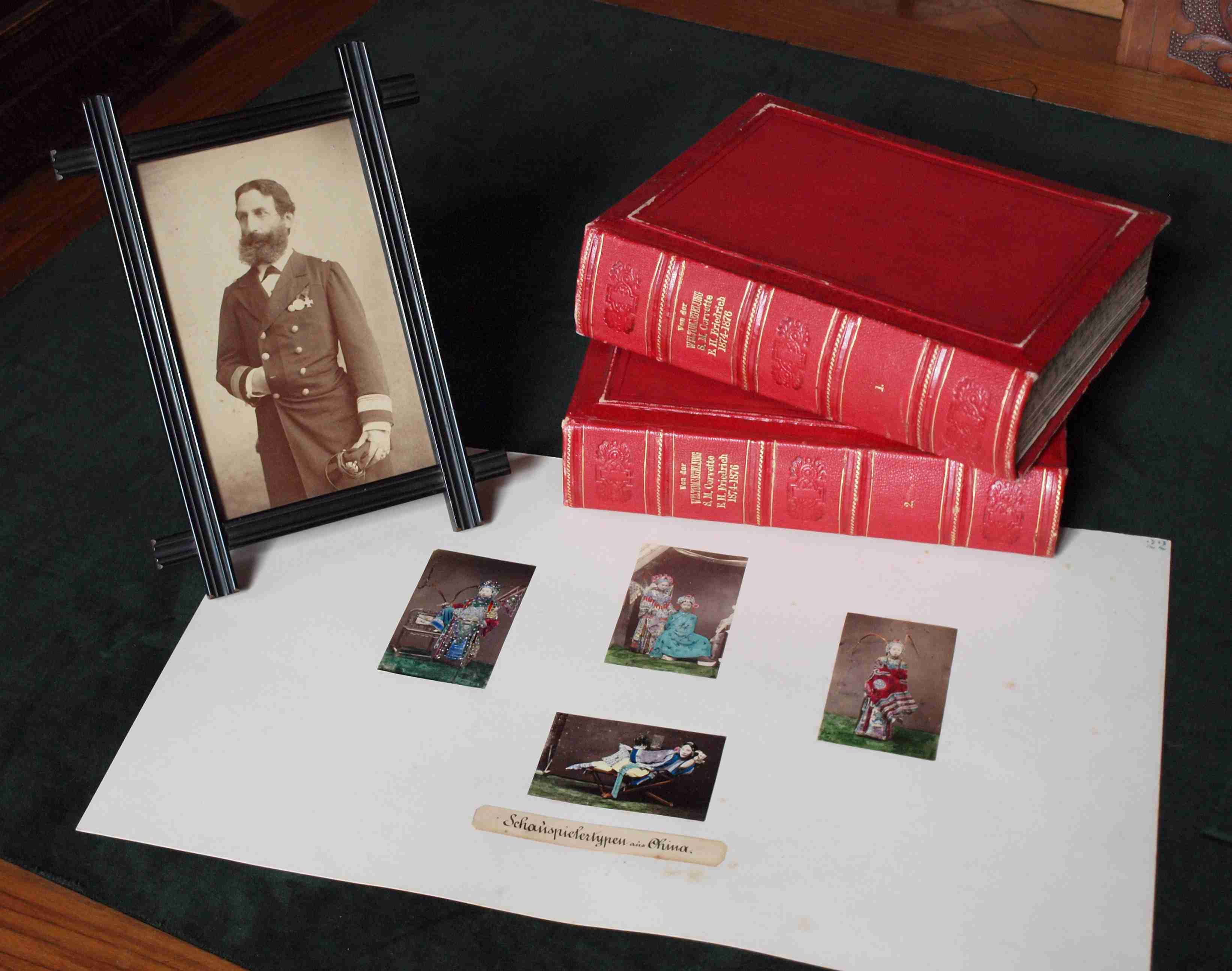
Lysice, in turn, preserves the legacy of frigate captain Erwin Dubský, who visited exotic regions of the Far East during his travels. These expeditions were documented not only through a unique collection of objects from Japan, China, and North America, but also through detailed diary entries and photographs, a significant part of which is on display here.
The travel ambitions of noble families are also illustrated by the tour of the family museum at Opočno, which includes a collection of objects brought back by Count Josef II Colloredo-Mansfeld from North America between 1904 and 1906. Meanwhile, the main tour route on the first floor introduces visitors to collections originating from his journeys in Africa.
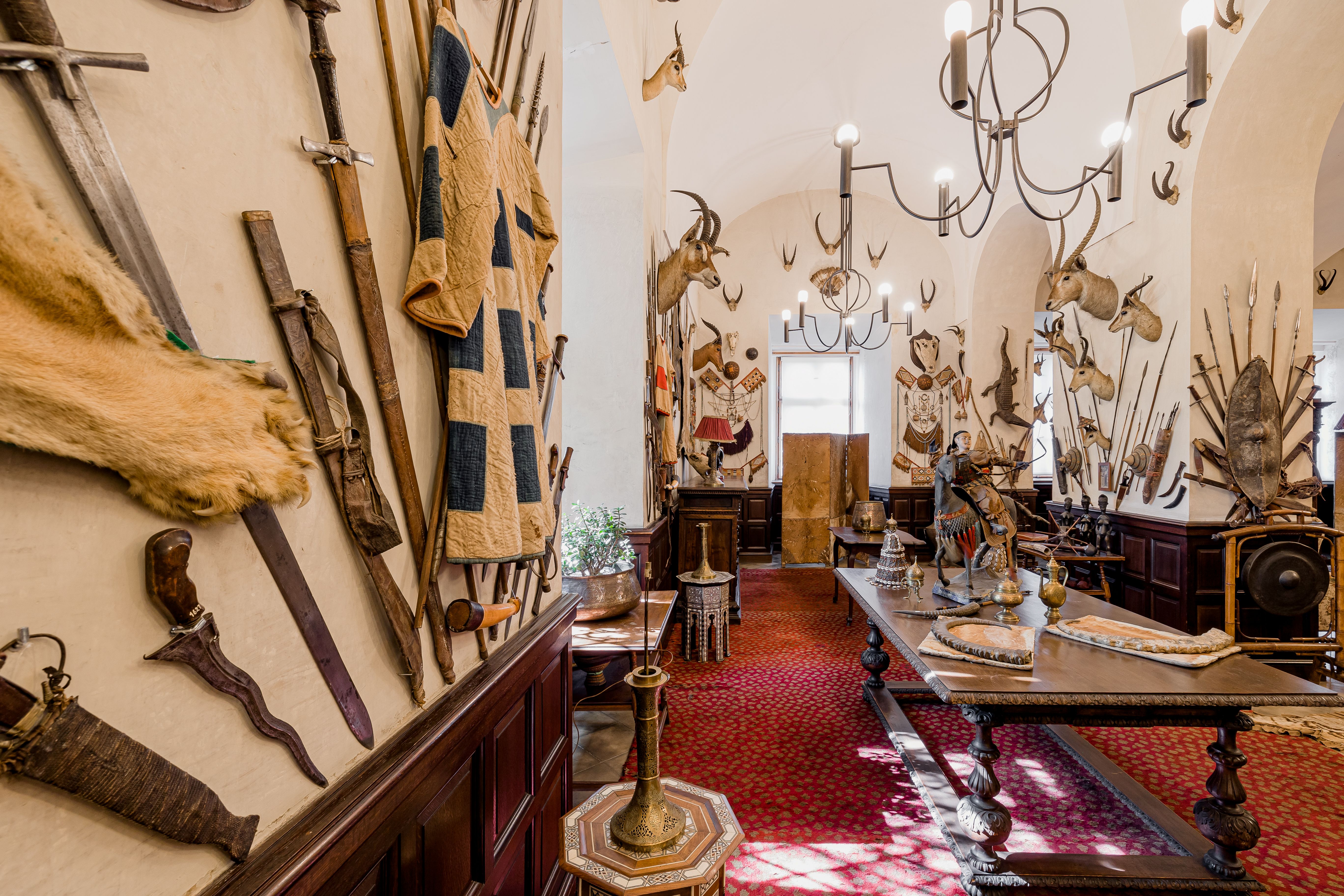
At Libochovice, memories of the collecting and hunting expeditions of the Herberstein noble family to the African continent between 1880 and 1929 are preserved.
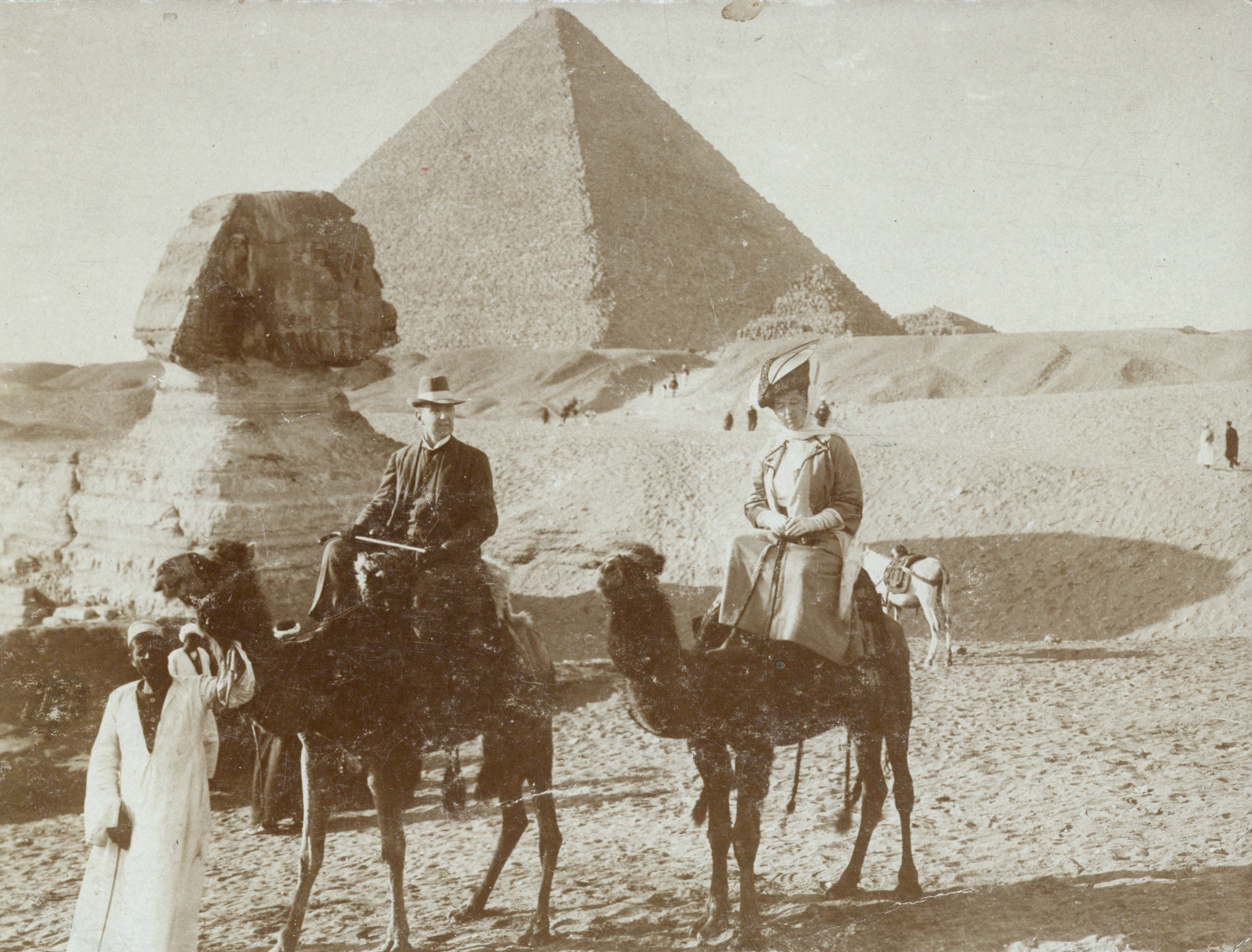
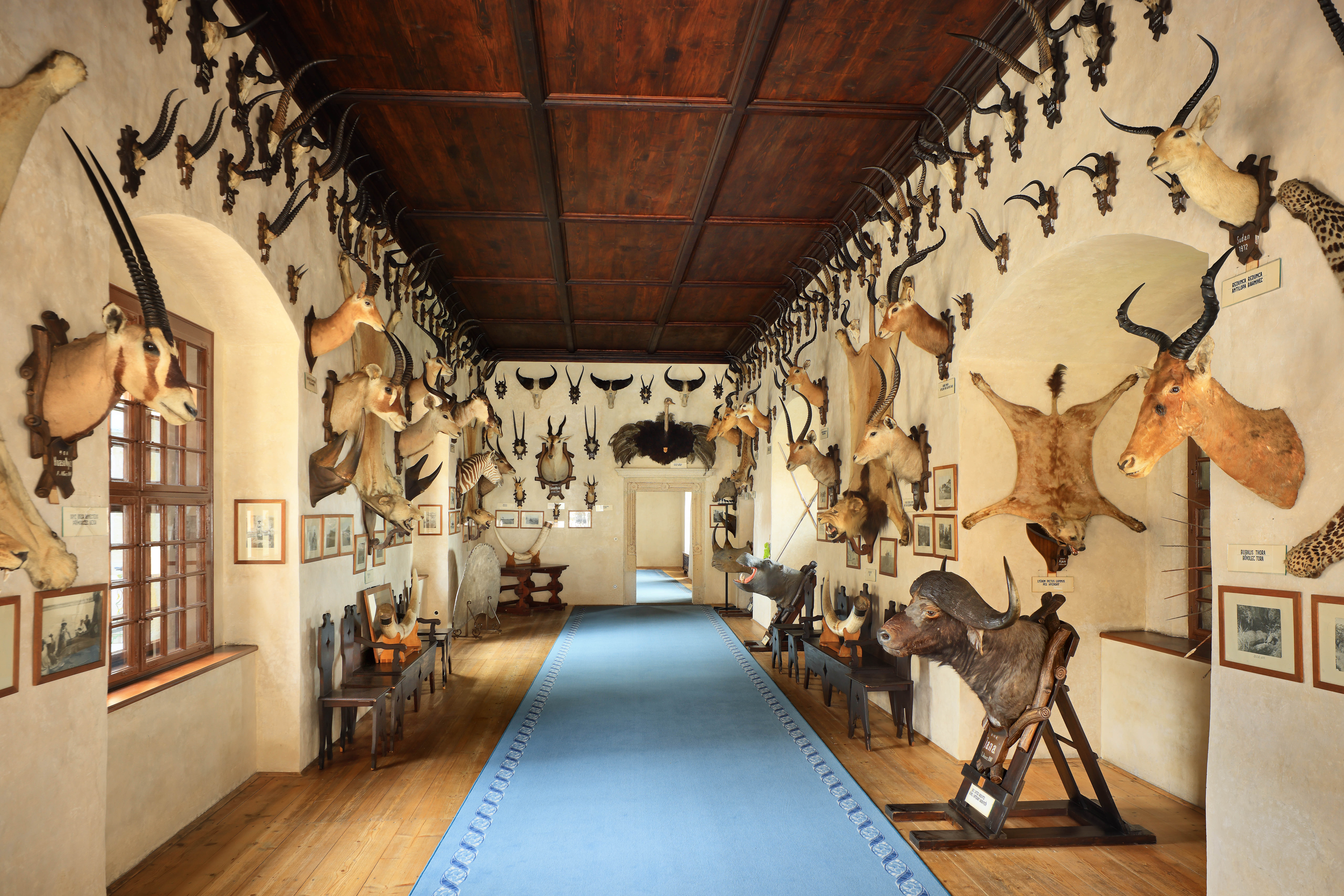
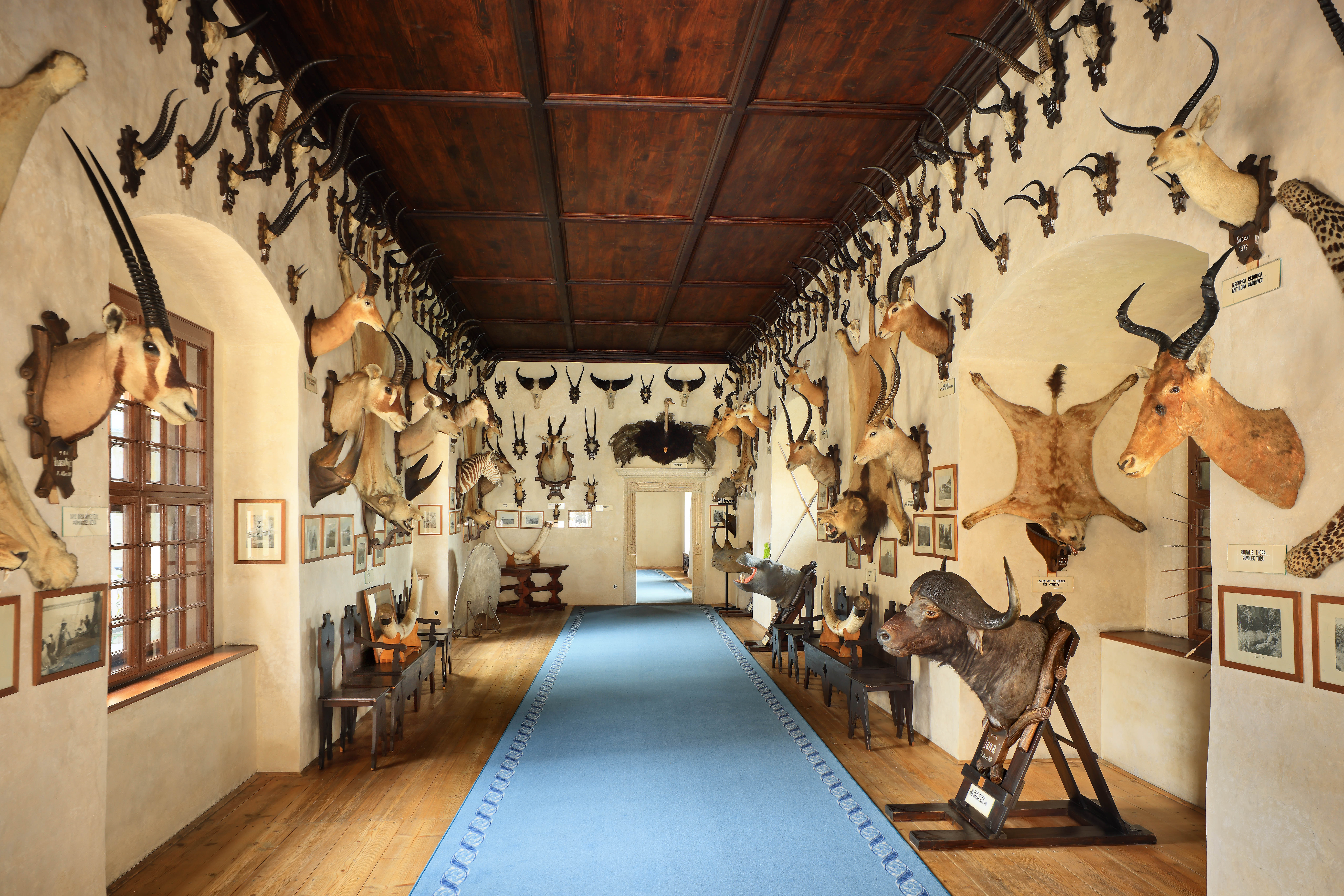
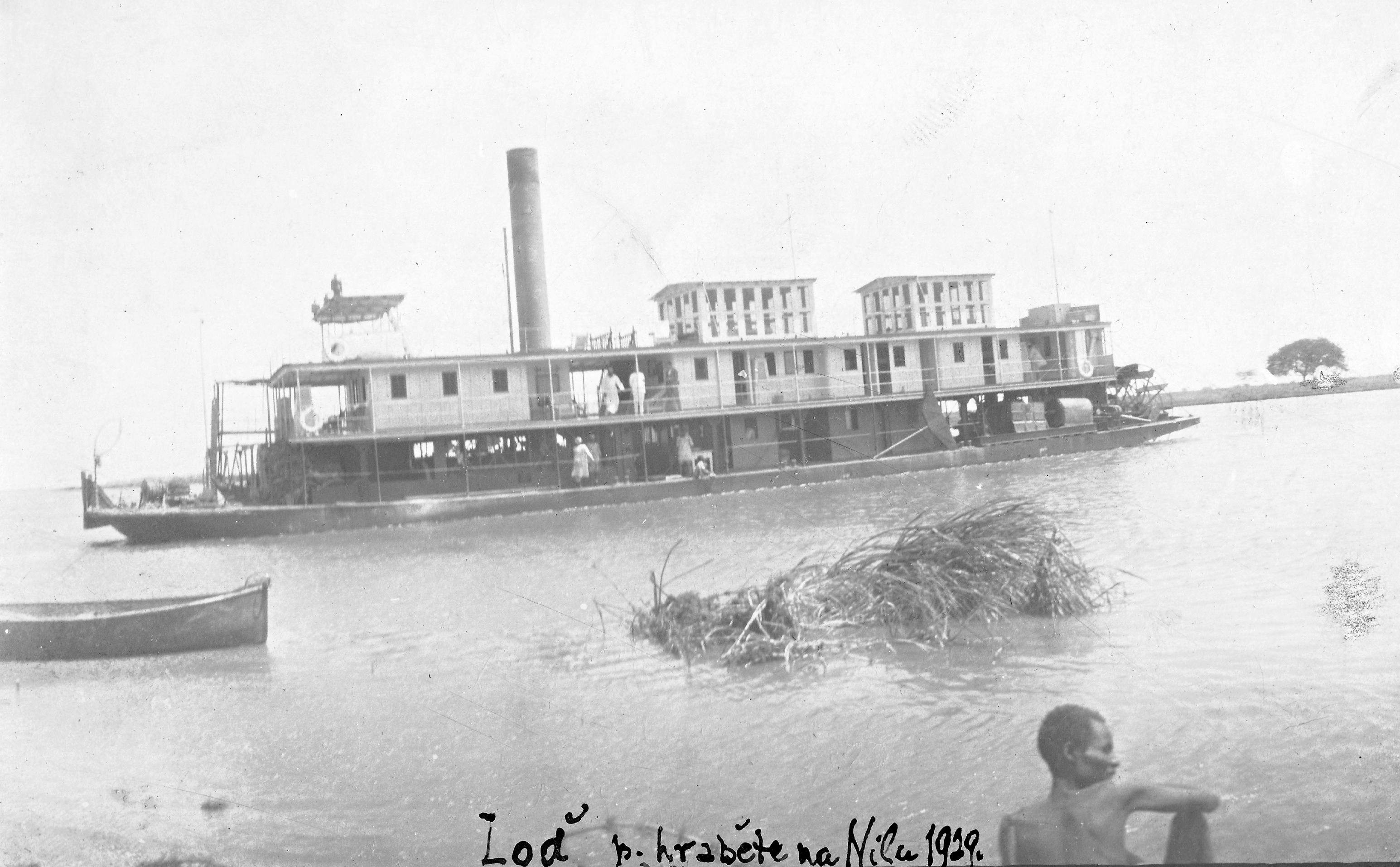
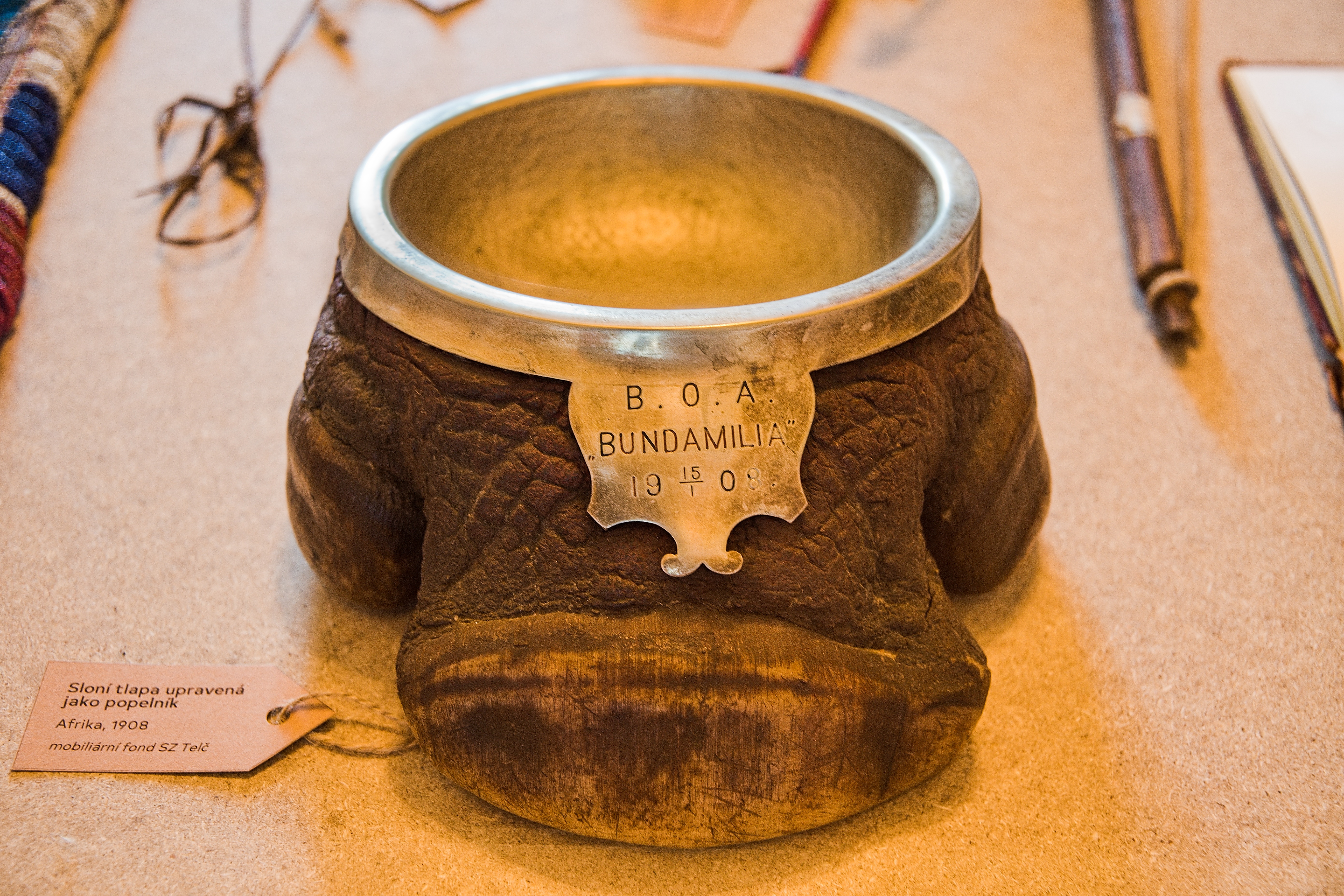
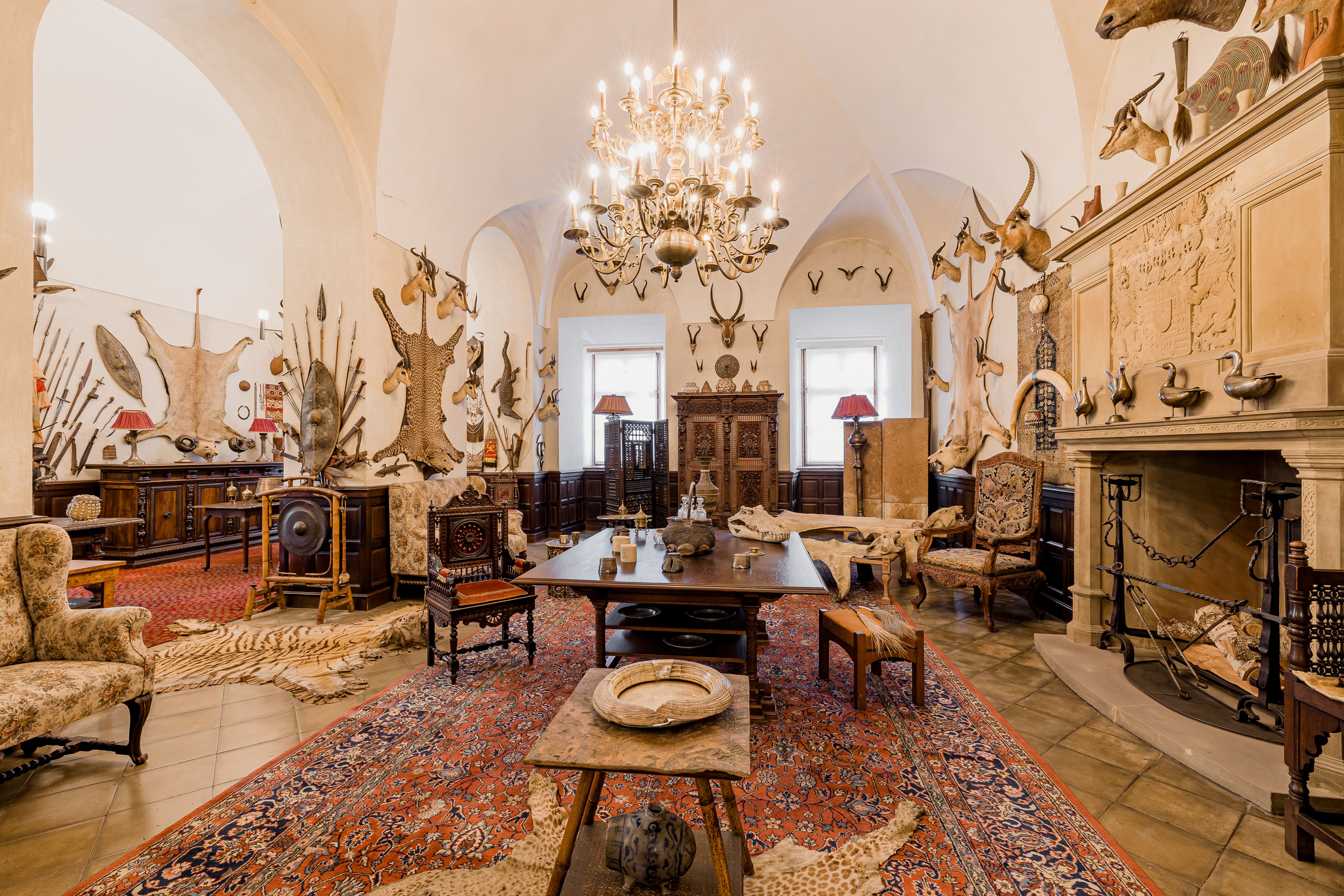
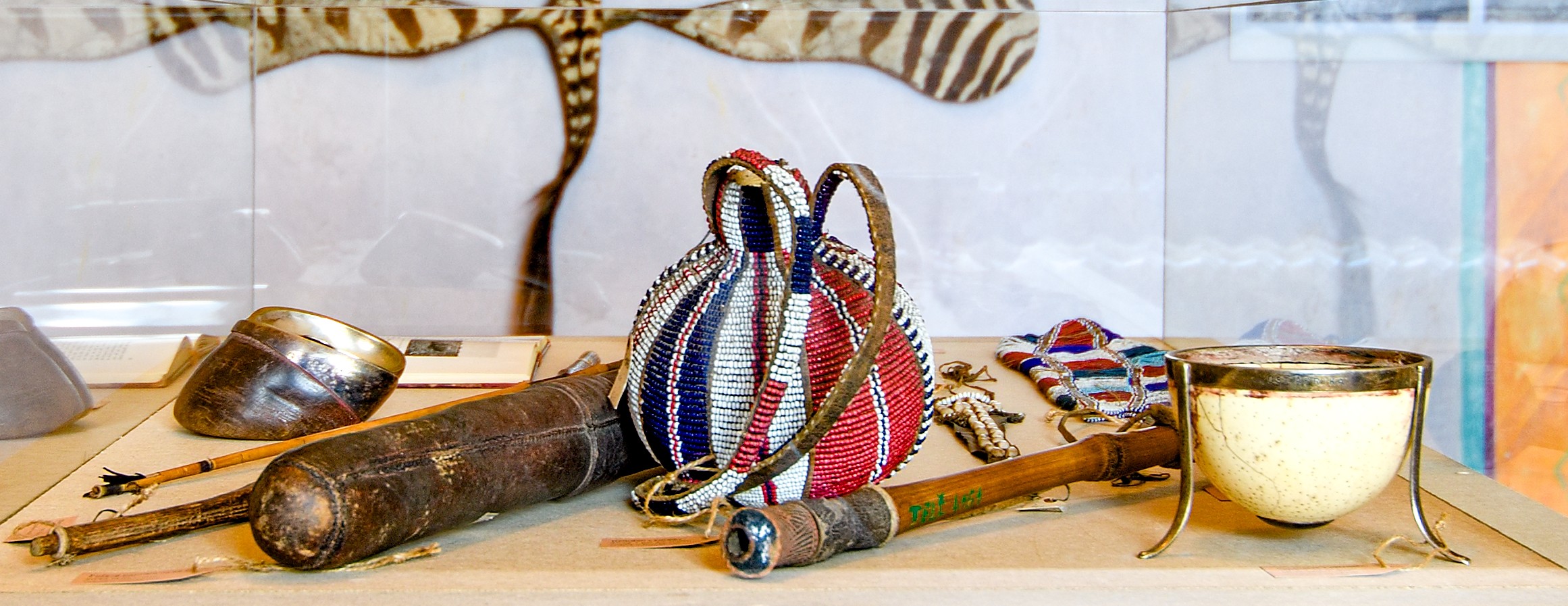
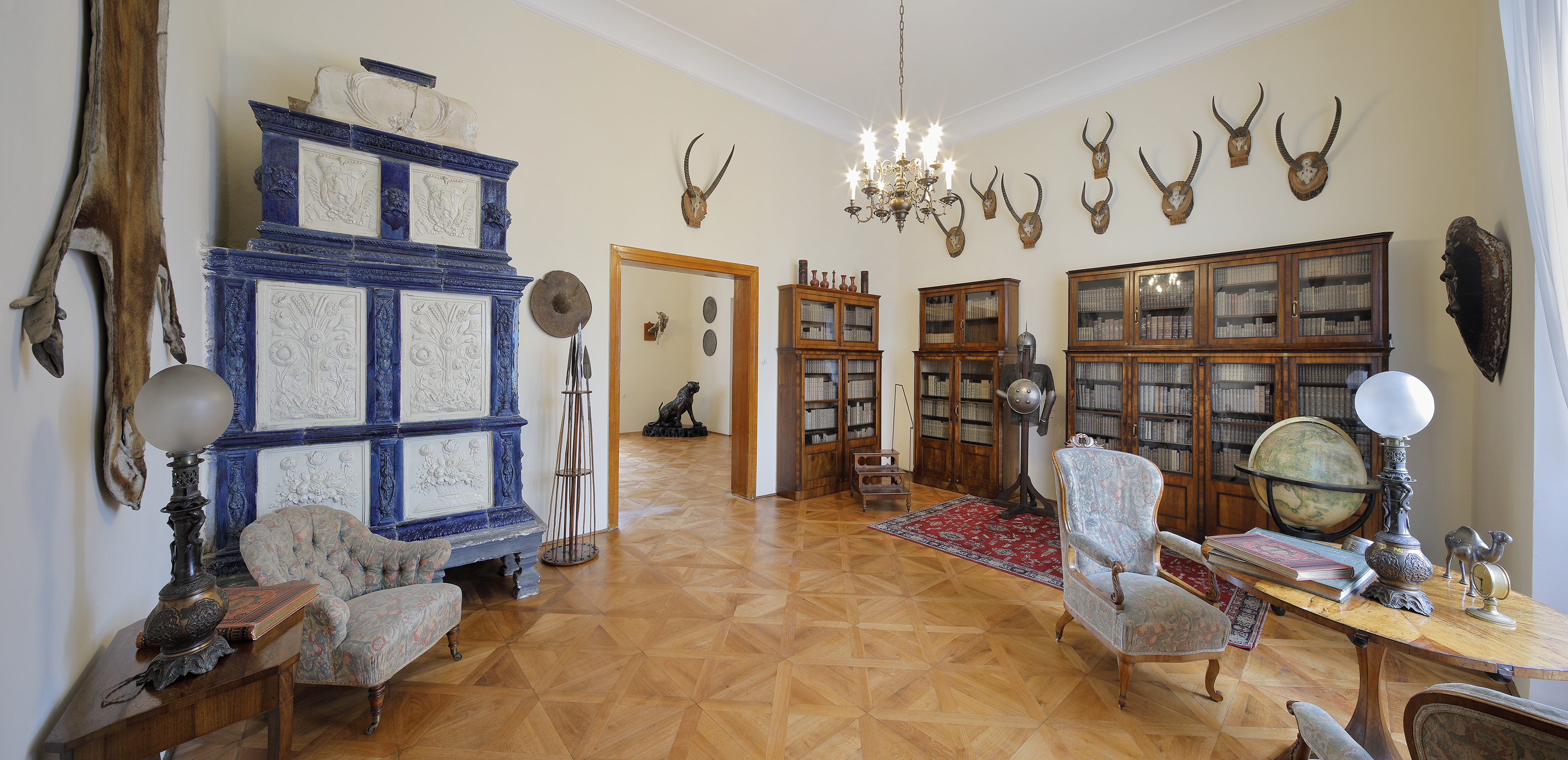
The passion for travel and hunting of Johann Pálffy is presented in the African Salon at Březnice. The African Hall at Telč Castle, as well as a seasonal exhibition at Grabštejn Castle, recall the journeys of Karl Podstatzky of Liechtenstein to Sudan and Kenya. The collecting interests of noble families and their fascination with the classical world, ancient Egypt, and the Orient are today evidenced by cabinets of curiosities and castle museums, which still house objects brought back from journeys around the world.
At Sychrov, visitors can admire a cabinet of curiosities containing souvenirs brought back by the Rohan family from their travels in Africa, America, and Europe. Among the exhibited items are, for example, oil lamps from Pompeii and Jerusalem, Egyptian scarabs, and a vessel originating from the Acropolis in Athens. The tour also includes an Oriental salon, where an exceptionally valuable samurai katana made of ivory is on display.
Similarly impressive collections can also be found at Kynžvart, where the museum and cabinet of curiosities of Chancellor Klemens von Metternich continue to attract interest. During his lifetime, Metternich assembled approximately eighteen hundred objects from various parts of the world. Among the most valuable exhibits are two Egyptian mummies more than three and a half thousand years old, as well as extensive collections of samurai armour.
At Buchlov Castle, visitors can discover a remarkable family museum of the Berchtold family, which was opened to the public as early as the mid-19th century. The collections were created thanks to the counts’ extensive travels across Europe, North Africa, and the Middle East, and include valuable Egyptological, natural history, and ethnographic objects. The main attraction is an approximately 2,000-year-old Egyptian mummy of a woman named Nefersobek, displayed in an impressively stylized space resembling an ancient Egyptian tomb.
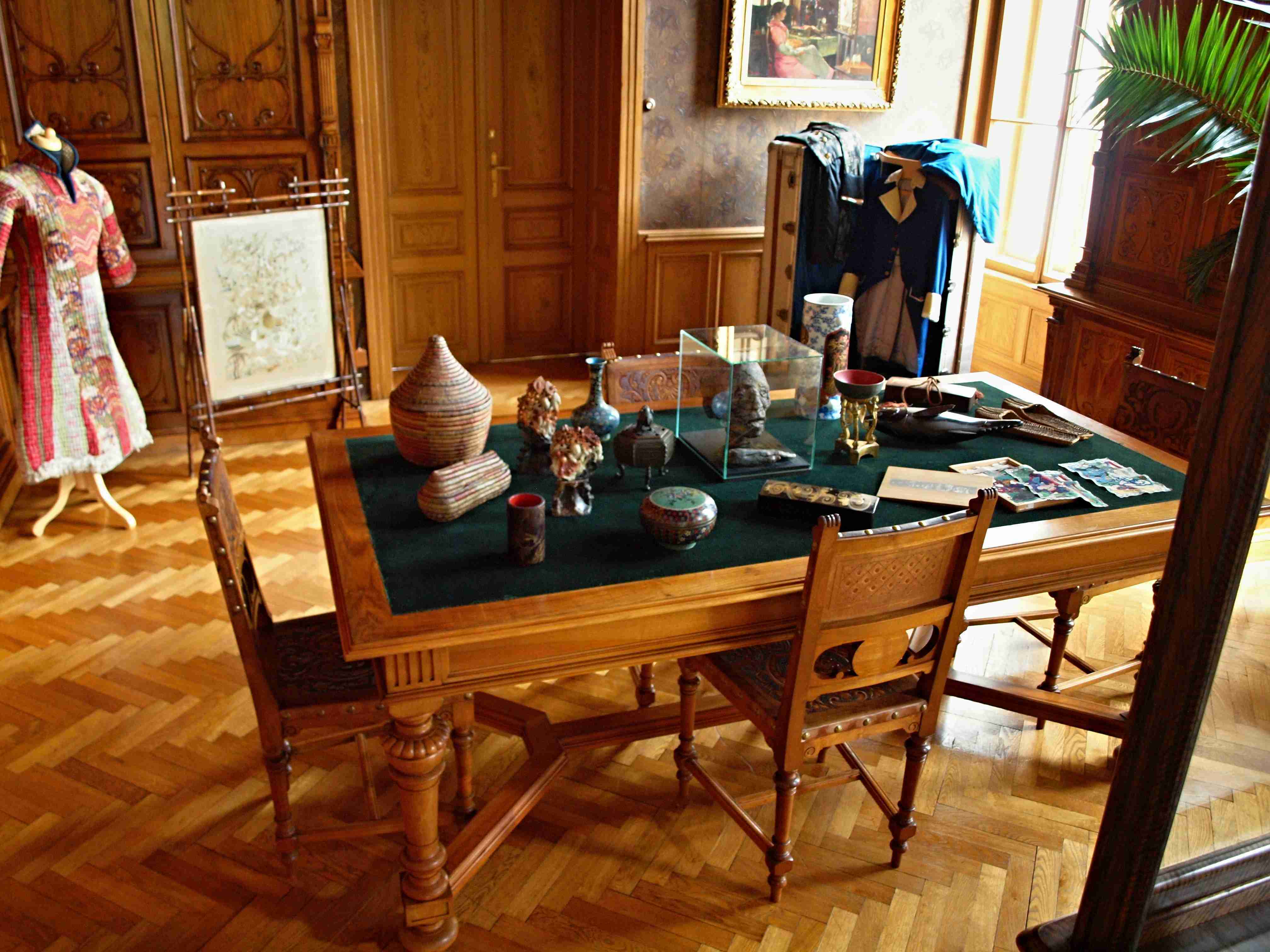
The château in Hradec nad Moravicí houses an Oriental Salon filled with rich collections of art from the Far and Near East, originating from the collections of the Lichnowsky princes. The salon sensitively combines a European representative interior with exotic artifacts, where alongside richly carved and gilded furniture and paintings by Old Masters, you can find black lacquer cabinets, silk textiles, Chinese and Japanese porcelain, warrior costumes and weapons, oriental carpets, and intricately inlaid tables.